Valorant Character Skills Explained
Learn how Valorant agent skills work, what each role does, how abilities are charged, and how to choose the right agent for your playstyle.
Valorant Character Skills Explained: How Agent Abilities Work
Valorant character skills are the abilities each Agent uses alongside weapons to gather information, control space, create openings, or defend an area. Every Agent has basic abilities, a Signature ability, and an Ultimate ability, but their effectiveness depends on timing, positioning, and team coordination.
VALORANT is a 5v5 tactical shooter where gunplay remains central, but abilities decide which fights your team can take safely. Understanding each skill type helps you pick an Agent that matches your preferred role and playstyle.
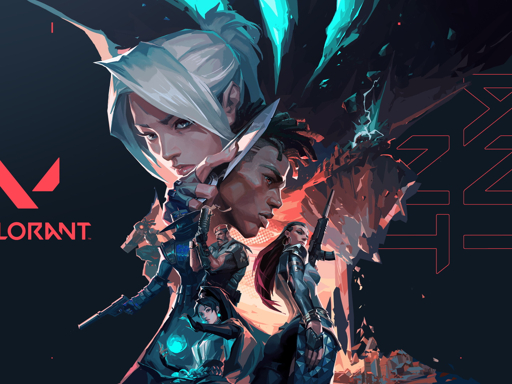
What Are Agent Skills in Valorant?
Agent skills, also called abilities, are tactical tools that supplement a player’s weapons. They can reveal enemies, block vision, damage or slow opponents, heal teammates, create barriers, teleport, or force enemies into unfavorable positions.
Abilities do not replace aim. Instead, they create advantages: a flash can make an enemy turn away, a smoke can hide a push, and a recon tool can reveal a defender holding an angle.
The Three Main Ability Types
Most Agents have four abilities: two basic abilities, one Signature ability, and one Ultimate. Basic abilities usually need to be purchased during the buy phase, while Signature abilities provide at least one free charge each round.
- >Basic abilities: Purchased with Credits and generally have limited charges.>Signature abilities: Free or refreshed each round; some recharge after two kills, especially for many Duelists.>Ultimate abilities: Powerful abilities unlocked with Ultimate Points earned through kills, deaths, Spike plants or defuses, and Ultimate Orbs.
Ultimate point requirements vary by Agent, commonly ranging from 6 to 9 points. Using an Ultimate triggers a global voice line, so enemies know it has been activated. [2][10]
How Do Valorant Roles Affect Skills?
Valorant divides Agents into four official roles: Duelist, Initiator, Controller, and Sentinel. Each role has a distinct job, although individual Agents can overlap in practice.
| Role | Main Purpose | Typical Skills | Example Agents |
|---|---|---|---|
| Duelist | Enter sites and win opening duels | Mobility, flashes, self-healing, aggressive damage | Jett, Raze, Reyna, Neon, Phoenix |
| Initiator | Reveal enemies and prepare entries | Recon, flashes, concussions, area disruption | Sova, Breach, Fade, KAY/O, Skye |
| Controller | Control vision and divide the map | Smokes, walls, slows, area denial | Brimstone, Omen, Viper, Astra, Harbor |
| Sentinel | Defend sites and watch flanks | Traps, cameras, locks, healing, defensive utility | Sage, Cypher, Killjoy, Chamber, Deadlock |
The current roster includes 30 playable Agents: 9 Duelists, 7 Initiators, 7 Controllers, and 7 Sentinels. [3][4]
Duelist Skills: Creating Fights
Duelists are self-sufficient fraggers expected to seek engagements and create space for their team. Their kits often include dashes, flashes, explosives, healing, or tools that make one-on-one fights more favorable. [3][4]
For example, Jett’s Tailwind provides rapid repositioning, while Raze’s Blast Pack can launch her across gaps or damage enemies. These abilities help Duelists take aggressive angles, escape danger, or enter a site before the rest of the team.
When Should You Play a Duelist?
Choose a Duelist if you enjoy taking first contact, holding aggressive angles, and creating early advantages. They are especially useful when your team needs someone to open a site or punish defenders who overextend.
- >Use mobility before enemies expect it, not after you are already exposed.>Pair flashes with teammates so they can trade your entry.>Save escape abilities for disengaging, rotating, or repositioning after a fight.
Initiator Skills: Gathering Information
Initiators prepare fights by revealing hidden enemies, forcing defenders out of strong positions, and disrupting defensive setups. Their abilities make contested areas safer for teammates to enter. [3][4]
Sova’s Recon Bolt reveals enemies in its detection area, while Breach’s Flashpoint blinds opponents through walls. Fade’s Prowler can follow trails and reveal enemies, making Initiators valuable before a site execute.
Best Initiator Habits
Good Initiators do not simply throw utility into a site. They communicate what information they found and coordinate the timing of their abilities with the team’s push.
- >Scan common defensive positions before committing to an entry.>Use flashes to support teammates rather than only to secure personal kills.>Save disruption abilities for post-plant situations or retakes when possible.
Controller Skills: Controlling Space
Controllers specialize in cutting sightlines, taking control of territory, and forcing enemies into choke points. Their smokes, walls, and zone-control tools can make an attack safer or a defense harder to break. [3][4]
Brimstone’s Sky Smoke allows precise smoke placement from a map view, while Viper uses toxic walls and clouds to deny vision and reduce enemy effectiveness. Omen’s Dark Cover offers flexible smoke placement, making him useful on many maps and situations.
How to Use Smokes Effectively
A smoke is most valuable when it removes a dangerous angle, separates two areas, or creates a controlled path for your team. Poorly placed smokes can block your own teammates or leave important angles open.
- >Smoke angles that defenders can use to punish an entry.>Coordinate one-way vision only when you understand its timing and limitations.>Use walls to split sites, delay rotations, or isolate a defender.>Communicate smoke timings so teammates know when a push will begin.
Sentinel Skills: Defending and Locking Down
Sentinels are defensive experts who lock down areas, gather intelligence, and watch flanks. Their utility is designed to slow pushes, delay attackers, and give teammates time to rotate. [3][4]
Killjoy’s Turret and Alarmbot provide automated information and area control, while Cypher’s Spycam and Trapwire reveal movement. Sage adds a different defensive dimension through healing, a wall, and a slow orb.
Sentinel Strengths and Weaknesses
| Aspect | Strength | Weakness |
|---|---|---|
| Site defense | Can delay or expose pushes | Utility can be destroyed or avoided |
| Flank watch | Provides warning against rotations | May be separated from the main team |
| Information | Reveals enemy movement | Requires map knowledge and placement |
| Support | Can stabilize rounds with healing or revives | Often has less direct entry power |
How Are Abilities Charged?
Ability economy matters as much as weapon economy. Basic abilities are bought during the buy phase, while Signature abilities generally return each round; some Duelist Signature abilities recharge after two kills. [2][10]
Ultimates require Ultimate Points. Players earn points by getting kills, dying, planting or defusing the Spike, and collecting Ultimate Orbs on the map. [2]
Simple Ability Economy Rules
- >Buy utility that supports your team’s round plan, not every ability automatically.>On eco rounds, prioritize affordable abilities that create information or delay.>On full-buy rounds, coordinate flashes, smokes, and recon before entering a site.>Do not waste an Ultimate when the round is already lost or when its value is low.
Choosing the Right Agent
The best Agent depends on your comfort with aiming, map knowledge, communication, and decision-making. Beginners often benefit from Agents with straightforward utility, while experienced players can use complex kits for greater map control.
| If You Prefer | Consider | Why |
|---|---|---|
| Fast aim duels | Jett, Reyna, Phoenix | Their kits support aggressive fights and self-sufficient plays. |
| Map control | Omen, Brimstone, Viper | They provide reliable vision denial and area control. |
| Information and setup | Sova, Fade, Breach | Their tools reveal enemies and prepare entries. |
| Defense and patience | Cypher, Killjoy, Sage | They excel at holding space and watching flanks. |
FAQ
Do Valorant abilities replace gun skill?
No. Abilities create opportunities, but rifles, pistols, and other weapons still decide most direct fights. A good flash or smoke can make an engagement easier, but accurate aim and positioning remain essential.
Can abilities be used every round?
Basic abilities must usually be purchased again after their charges are used. Signature abilities generally provide a free charge each round, while Ultimates require enough Ultimate Points to activate. [2][10]
Which role is best for beginners?
Controller and Sentinel are often approachable because their utility has clear defensive purposes. However, Duelists can also suit beginners who prefer direct fights, provided they learn when to use mobility and flashes.
How many Agents are in Valorant?
As of November 2026, Valorant has 30 playable Agents across four roles: 9 Duelists, 7 Initiators, 7 Controllers, and 7 Sentinels. [3][4]
What is the difference between a Signature and Ultimate ability?
A Signature ability is a core ability that is generally available or refreshed each round. An Ultimate is a stronger, limited-use ability that requires Ultimate Points and usually produces a major tactical impact. [2]
Final Takeaway
Valorant character skills are tools for creating advantages, not shortcuts around gunplay. Learn one role first, understand when to use each ability, and coordinate utility with teammates to turn individual skills into consistent round wins.