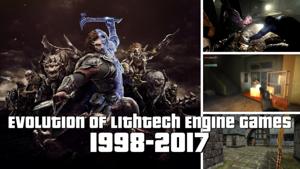
Games Built with LithTech Game Engine: A Complete Guide
LithTech game engine, developed by Monolith Productions, powered iconic titles including Shogo: Mobile Armor Division, Blood II, No One Lives Forever series, F.E.A.R., and Shadow of Mordor. This guide explores the engine's history, notable games, and technical features that made it a significant force in game development from 1998 onwards.
Games Built with the LithTech Game Engine
The LithTech game engine is a proprietary game engine developed by Monolith Productions that powered some of the most innovative first-person shooters and action games of the late 1990s and early 2000s.
What is LithTech Engine?
LithTech is a 3D game engine first introduced in 1998 with the release of Shogo: Mobile Armor Division, developed by Monolith Productions. The engine was later commercialized through Touchdown Entertainment (originally LithTech, Inc.), a subsidiary formed in February 2000 to handle development and sales of the engine.
The engine became known for its advanced features for its time, including support for complex animations, dynamic lighting, and robust networking capabilities. It powered numerous acclaimed titles throughout its evolution, with later iterations supporting large open worlds and third-person combat systems.
Notable Games Built with LithTech
Classic Monolith Productions Titles
Several iconic games were built using various versions of the LithTech engine:
- Shogo: Mobile Armor Division (1998) - An anime-inspired mech shooter that marked the engine's debut
- Blood II: The Chosen (1998) - A horror-themed first-person shooter and sequel to the original Blood
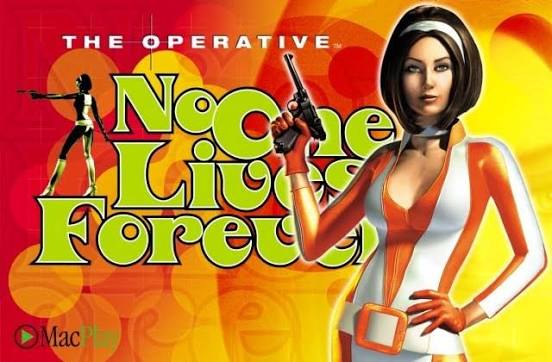
- The Operative: No One Lives Forever (2000) - A stylish spy FPS praised for its writing and design
- No One Lives Forever 2: A Spy in H.A.R.M.'s Way (2002) - The acclaimed sequel to NOLF
- Aliens versus Predator 2 (2001) - A critically acclaimed sci-fi shooter
- Tron 2.0 (2003) - Based on the Disney franchise
- Sanity: Aiken's Artifact (2000) - A psychological horror FPS
Later LithTech Games
The engine continued to evolve and power numerous titles through the 2000s:
- F.E.A.R. series (2005-2009) - Including F.E.A.R., F.E.A.R. 2: Project Origin, and various expansions
- Condemned: Criminal Origins (2005) - A horror-themed melee combat game
- The Matrix Online (2005) - An MMORPG based on The Matrix franchise
- Middle-earth: Shadow of Mordor (2014) - Built on LithTech 6 (V6), featuring the innovative Nemesis System
- Combat Arms series - Various iterations including Combat Arms: Reloaded (2018)
LithTech Engine Features
Animation System
One of the engine's standout features was its advanced animation system that allowed models to play multiple animations simultaneously. For example, the run animation was separated from upper body actions, eliminating the need for separate animations for "running and firing," "running and facing left," etc.
Evolution and Versions
The engine went through multiple iterations:
- Original LithTech (1998) - Debuted with Shogo and Blood II
- LithTech 2.0 - Enhanced version with improved features
- LithTech 6 (V6) - Final LithTech-branded iteration, revamped for Shadow of Mordor with support for large open worlds and third-person Arkham-style combat
Legacy of LithTech Games
Games built on the LithTech engine are remembered for their innovation and quality. The NOLF series, in particular, remains highly regarded for its clever writing, memorable characters, and creative level design. The F.E.A.R. series set new standards for AI in first-person shooters, while Shadow of Mordor introduced the groundbreaking Nemesis System that influenced game design for years to come.
Many of these titles maintain active modding communities, with source code and assets available on platforms like GitHub for games including NOLF2, Shogo, and Blood II.
Why LithTech Matters
The LithTech engine represents an important chapter in game development history, showcasing how proprietary technology can enable unique gameplay experiences. From the anime-inspired mechs of Shogo to the spy antics of NOLF and the horror of F.E.A.R., LithTech-powered games demonstrated versatility across genres while maintaining technical excellence.
Tags