LithTech Engine: History, Features, and Legacy in Gaming
A comprehensive exploration of the LithTech game engine, from its origins at Monolith Productions to its evolution through multiple versions, powering iconic titles like F.E.A.R., No One Lives Forever, and Blood II.
LithTech Engine: The Forgotten Powerhouse Behind Classic FPS Games
The LithTech engine stands as one of the most influential yet underappreciated game engines of the late 1990s and early 2000s. Developed by Monolith Productions in collaboration with Microsoft, this true 3D game engine powered some of the most memorable first-person shooters and action games of its era. From its debut in 1998 with Shogo: Mobile Armor Division to its final iteration, Jupiter EX, which powered the critically acclaimed F.E.A.R. in 2005, LithTech evolved through multiple versions, each introducing groundbreaking features that pushed the boundaries of real-time 3D graphics and gameplay.
Origins and Development History
The LithTech engine traces its roots back to 1996, when Monolith Productions began developing what would become their proprietary game engine. The engine's first public appearance came in September 1998 with Shogo: Mobile Armor Division, a mecha-themed action game that showcased the engine's capabilities in rendering complex 3D environments and smooth character animations. Just one month later, Blood II: The Chosen arrived, further demonstrating LithTech's versatility in handling dark, atmospheric environments and intense combat scenarios. What set LithTech apart from its contemporaries was its collaborative development with Microsoft, which provided Monolith with access to cutting-edge DirectX technologies. This partnership allowed the engine to stay at the forefront of PC gaming technology throughout its lifespan. As the engine matured, Monolith spun off a subsidiary company called LithTech Inc. (later renamed Touchdown Entertainment) to continue development and license the engine to third-party developers.
Engine Versions and Evolution
LithTech 1.0 (1998)
The original LithTech 1.0 engine established the foundation for all future versions. It featured a true 3D rendering pipeline, object-oriented design, and built-in level editors that streamlined game development. Games like Blood II: The Chosen and Shogo: Mobile Armor Division showcased the engine's ability to handle both fast-paced action and complex narrative-driven experiences.
LithTech 2.0 / Talon (2000-2002)
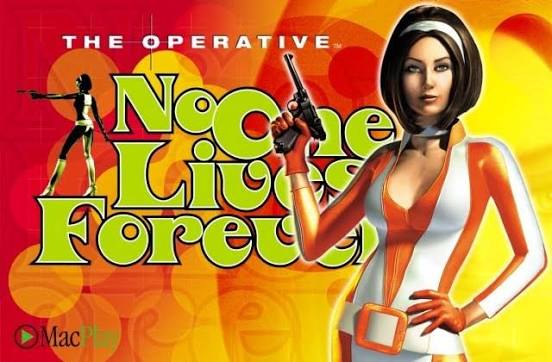
The second generation, known as LithTech 2.0 or Talon, introduced significant improvements in multiplayer capabilities and cross-platform support. This version powered The Operative: No One Lives Forever (2000), a spy-themed FPS that became one of the most beloved games of the era. The Talon engine also supported PlayStation 2 development, expanding Monolith's reach beyond PC gaming.
LithTech 3.0 / Jupiter (2001-2004)
LithTech 3.0, codenamed Jupiter, represented a major leap forward in technology. Announced at GDC 2001, this version introduced DirectX 8 support, advanced vertex and pixel shader effects through the RenderStyles toolset, and improved physics systems. The engine's Distributed Object System revolutionized multiplayer and MMORPG development, allowing for more complex networked gameplay. Notable titles included Aliens versus Predator 2 (2001), The Matrix Online (2005), and Tron 2.0 (2003).
LithTech Jupiter EX (2005)
The final and most advanced iteration, Jupiter EX, powered Monolith's masterpiece F.E.A.R. (2005) and Condemned: Criminal Origins. This version featured an all-new DirectX 9 renderer with support for normal mapping, parallax mapping, volumetric lighting, and per-pixel lighting models. Perhaps most significantly, Jupiter EX integrated the Havok physics engine, enabling realistic object interactions, dynamic destruction, and the iconic slow-motion combat sequences that made F.E.A.R. a landmark title.
Technical Features and Capabilities
The LithTech engine's architecture was built around several key technical pillars that made it a formidable competitor to engines like Unreal and id Tech:
Rendering System
LithTech's rendering pipeline evolved significantly over its lifespan. Early versions supported basic 3D acceleration through DirectX, while later iterations embraced programmable shaders and advanced lighting techniques. Jupiter EX's material system allowed artists to associate HLSL shaders with editable parameters, including texture maps (normal, specular, emissive), colors, and numeric constants. The unified Blinn-Phong per-pixel lighting model ensured consistent diffuse and specular lighting across all surfaces.
Physics and Collision Detection
Physics capabilities grew from basic collision detection in early versions to full rigid body dynamics with Havok integration in Jupiter EX. This enabled realistic object interactions, destructible environments, and dynamic AI reactions to environmental changes. The engine supported vehicle physics, allowing for drivable vehicles in games like Global Operations and Medal of Honor: Pacific Assault.
Editor Tools and Workflow
Monolith provided comprehensive development tools, including the LithTech Development System (LDS), which featured built-in level editors, object placement tools, and scripting interfaces. The RenderStyles toolset in LithTech 3.0 made it easier for artists and designers to integrate advanced visual effects without deep programming knowledge.
Multiplayer and Networking
The Distributed Object System introduced in LithTech 3.x was specifically designed for MMORPGs and large-scale multiplayer games. This architecture allowed for efficient synchronization of game state across multiple clients, supporting the persistent world requirements of titles like The Matrix Online.
Notable Games Powered by LithTech
The LithTech engine powered over 20 commercial titles across multiple genres and platforms. Here are some of the most significant: Game Title Release Year Genre Notable Features Shogo: Mobile Armor Division 1998 Action/Sci-Fi Engine debut, mecha combat Blood II: The Chosen 1998 FPS/Horror Dark atmosphere, fast combat No One Lives Forever 2000 FPS/Stealth Spy theme, AI innovation Aliens versus Predator 2 2001 FPS/Action Three-campaign structure Tron 2.0 2003 Action/Adventure Light cycle sequences The Matrix Online 2005 MMORPG Persistent world, bullet time F.E.A.R. 2005 FPS/Horror Havok physics, slow-mo combat Condemned: Criminal Origins 2005 Action/Horror Melee combat, crime scene investigation
Legacy and Impact on Gaming
Despite its technical prowess and the critical acclaim of games like F.E.A.R. and No One Lives Forever, the LithTech engine gradually faded from prominence in the mid-2000s. Several factors contributed to this decline: the rising dominance of Unreal Engine 3, Monolith's acquisition by Warner Bros., and the industry-wide shift toward middleware solutions rather than proprietary engines. However, LithTech's influence persists in several ways. The engine's early adoption of DirectX 8 and 9 features set standards that competitors would follow. Its integration of Havok physics in Jupiter EX demonstrated the importance of realistic physics in modern FPS design, influencing countless subsequent titles. Games like F.E.A.R. remain benchmarks for AI behavior and environmental interactivity, with their DNA visible in modern titles like Control and Alan Wake 2 (both also developed by former Monolith talent).
Why LithTech Matters Today
For modern game developers and historians, the LithTech engine represents an important chapter in the evolution of 3D game technology. It demonstrates how mid-sized studios could compete with industry giants through technical innovation and focused design. The engine's progression from basic 3D rendering to advanced shader-based graphics mirrors the broader trajectory of the gaming industry during the late 1990s and early 2000s. For players who grew up with LithTech-powered games, the engine evokes nostalgia for a golden age of PC gaming when single-player campaigns were deep, AI was genuinely challenging, and technical limitations bred creativity rather than stifling it. Titles like No One Lives Forever and F.E.A.R. continue to have dedicated fan communities, with mods and remasters keeping these classics alive for new generations.
Conclusion
The LithTech engine may no longer be in active development, but its legacy endures through the games it powered and the developers it influenced. From its humble beginnings with Shogo to its swan song with F.E.A.R., LithTech proved that innovation, attention to detail, and a willingness to embrace new technologies could create experiences that resonate decades later. For anyone interested in the history of game engines or the evolution of 3D graphics, the story of LithTech offers valuable lessons about the balance between technical ambition and creative vision.